Article1

Why You’ll Never Have a Surprise HVAC Breakdown Again

How real-time monitoring turns HVAC failures into predictable, preventable events

It’s the hottest week of the summer.

Your air conditioner has been running all day, doing its job—until suddenly it isn’t.

The house starts warming up. The vents are blowing, but the air isn’t cold. The thermostat says everything is “on,” yet the temperature keeps climbing.

By evening, the system shuts down completely.

Now you’re calling for emergency service, wondering how something that felt fine hours ago could fail so suddenly.

The truth is—it didn’t.

HVAC Breakdowns Almost Never Happen Without Warning

Most homeowners believe HVAC systems fail randomly. One day they work, the next day they don’t.

But in reality, HVAC failures almost always show early warning signs—days or even weeks before a full breakdown occurs.

The issue isn’t sudden failure.

The issue is invisible deterioration.

Before a mid-summer breakdown, systems commonly experience:

  • Longer-than-normal runtimes
  • Gradual loss of cooling performance
  • Increased electrical load on motors and compressors
  • Subtle airflow restrictions
  • Rising internal heat stress

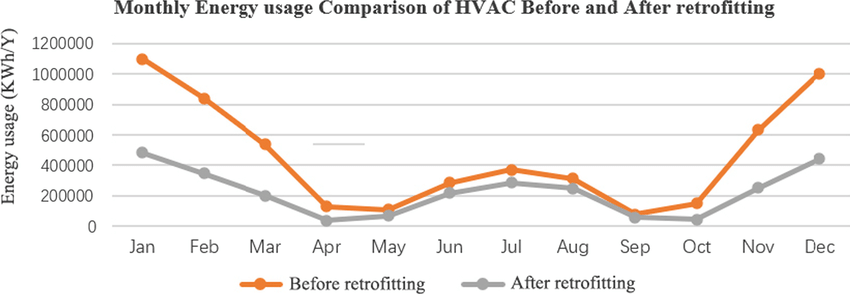
These changes compound quietly. Comfort slowly degrades. Energy usage increases. Internal strain builds—until the system reaches a tipping point.

By the time homeowners notice something is wrong, the damage is already underway.

 

Why Homeowners Miss the Warning Signs

HVAC systems are hidden by design.

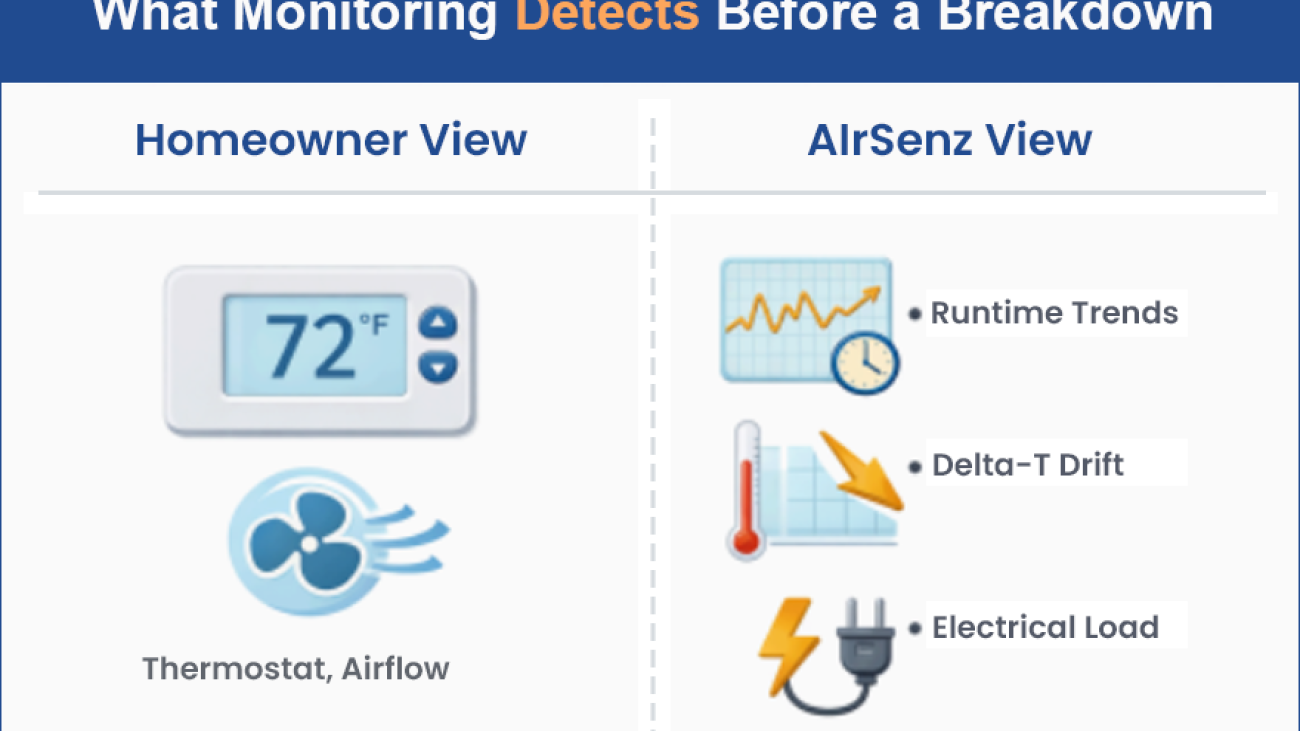
They live in attics, closets, basements, and crawlspaces. Homeowners rely almost entirely on a thermostat and airflow to judge performance.

Traditional thermostats don’t show:

  • System stress
  • Efficiency degradation
  • Component overuse
  • Abnormal operating pattern

So when a system runs inefficiently—but still runs—it feels normal. Until it doesn’t.

This is why HVAC breakdowns feel sudden, even though they rarely are.

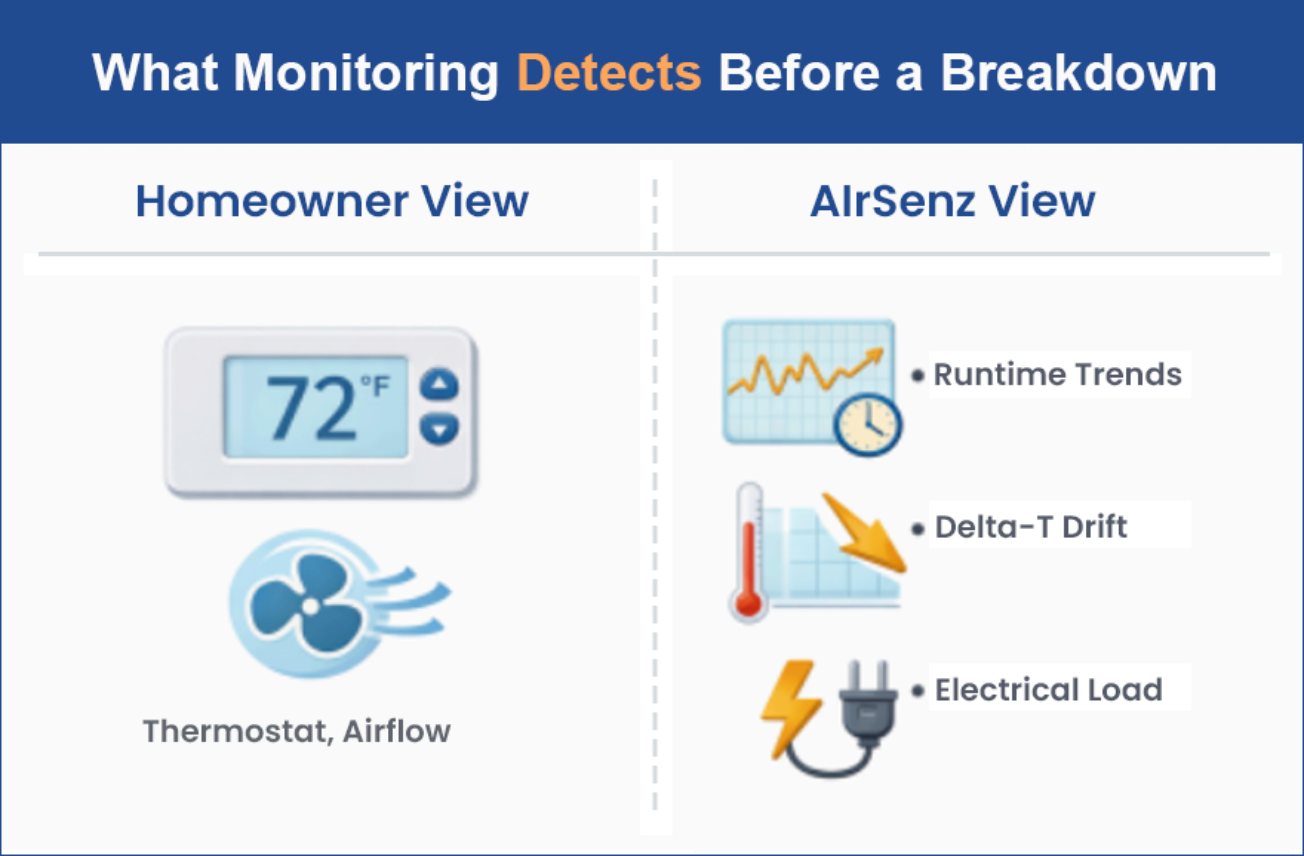
What Monitoring Sees That People Can’t

A real-time HVAC monitoring platform like AirSenz changes this dynamic.

Instead of waiting for failure, AirSenz continuously measures how the system operates and establishes a baseline unique to each home. When performance begins to drift, those changes are detected early.

AirSenz identifies patterns such as:

  • Abnormally long runtimes before reaching the set temperature
  • Temperature delta drift signaling reduced performance
  • Unnecessary heat strip activation
  • Airflow and blower irregularities
  • Electrical load changes indicating component strain

These are not alarms after something breaks.

They are early indicators that something is starting to go wrong.
What “No Surprise” Actually Feels Like 

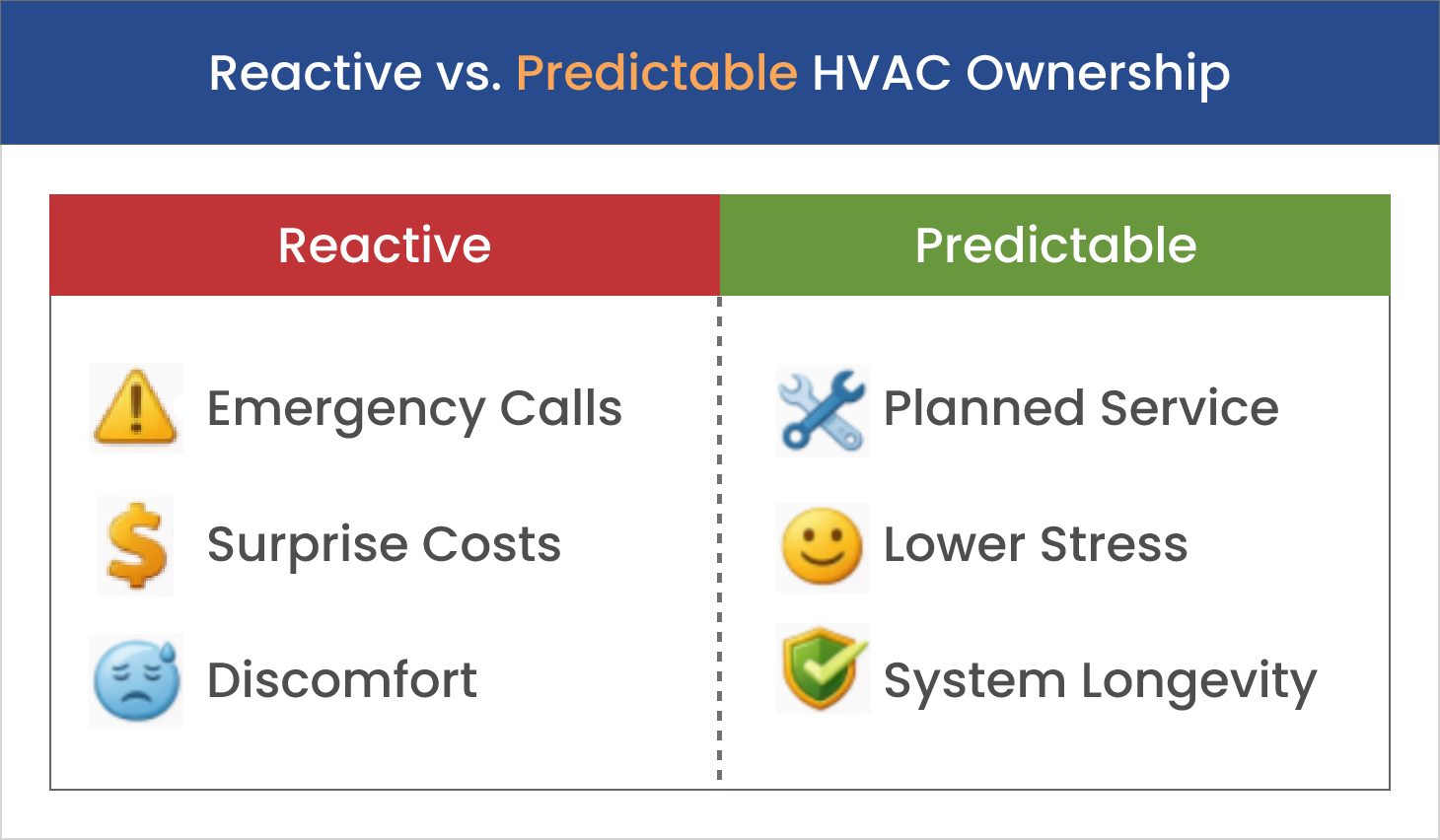
When an HVAC system is monitored, failures stop being emergencies.

Instead of:

  • A breakdown on the hottest day of the year
  • Weekend or after-hours service calls
  • Rushed repair decisions under stress

Homeowners experience:

  • Early notifications before comfort is lost
  • Planned service during normal business hours
  • Smaller repairs instead of major component failures
  • Confidence that their system is being watched continuously

The experience shifts from reactive to proactive.
Predictability Is the Real Upgrade

HVAC systems don’t fail because homeowners neglect them.

They fail because homeowners can’t see what’s happening inside them.

Monitoring transforms HVAC ownership:

  • From guessing → knowing
  • From reacting → planning
  • From surprise → control

When performance issues are caught early, breakdowns become rare and manageable instead of disruptive and expensive.

The Bottom Line

Surprise HVAC breakdowns aren’t inevitable. They’re a visibility problem.

With real-time monitoring, early warning signs are identified long before a hot summer day turns into an emergency service call.

The result isn’t just fewer repairs. It’s peace of mind.

About Intellicair

Intellicair is the company behind AirSenz, a next-generation HVAC monitoring platform designed to make home comfort smarter, more reliable, and more transparent. Built by HVAC professionals with real field experience, Intellicair blends advanced sensor hardware with intelligent software to help prevent unexpected failures and lower long-term system costs for homeowners and contractors alike.

About AIrSenz

AirSenz is Intellicair’s flagship product — a real-time HVAC monitoring and diagnostics platform powered by a private, HVAC-trained AI engine. AirSenz continuously measures system performance, detects emerging issues, and provides clear, actionable insights long before a breakdown occurs. Through seamless integrations with contractor tools like ServiceTitan, AirSenz delivers proactive service, fewer callbacks, and true peace of mind for homeowners.
3rdimage

The Next Evolution of HVAC Service

From Reactive Repairs to Proactive System Management

HVAC service has never been easy.

For decades, this industry has been built around the same model: the system breaks, the customer calls, the truck rolls, and the technician figures it out on site. When it works, it works. When it doesn’t, it’s stressful, expensive, and chaotic.

That model carried this industry a long way. But today, it’s starting to break down. 
Not because contractors forgot how to fix equipment — but because the conditions around service have changed. 

Every Evolution in HVAC Was Forced 

HVAC service has evolved before, and it was never optional. 

  • We moved from mechanical controls to digital thermostats
  • We adapted from R-22 to R-410A
  • We went from paper invoices to dispatch software and mobile techs

Each change came with resistance. Each one eventually became standard. 
The next shift isn’t about refrigerant or equipment. 
It’s about how service decisions are made.

Reactive Service Is Getting Harder to Sustain

Reactive service assumes one thing: 

that you’ll figure out what’s wrong after the truck arrives.

That’s becoming a problem.

Today’s service environment looks like this:

  • Emergency calls stacking up during peak weather
  • Technicians walking into homes blind
  • Diagnostics happening under time pressure
  • Callbacks eating into already thin margins
  • Service boards that feel full but out of control

Most contractors aren’t struggling because they’re bad at service. They’re struggling because reactive service creates chaos by design.

You can only be so efficient when every call starts at zero.

Traditional Tools Don’t Solve the Core Problem

Thermostats tell you if the system is on or off.

Maintenance agreements schedule visits.

Dispatch software moves trucks.

None of these tools tell you how the system is actually behaving day to day.

So contractors are still left asking:

  • Is this system failing suddenly or gradually?
  • Is this a real issue or a one-off complaint?
  • What should we expect before we get there?

Without visibility, even experienced technicians are forced to diagnose under pressure.

That’s not a people problem. 

That’s a lack of information problem

The Shift Toward Proactive Service

The next evolution of HVAC service is simple in concept:

See problems before they become emergencies.

Proactive service means:

  • Understanding system behavior over time
  • Identifying stress before components fail
  • Scheduling service instead of reacting to breakdowns
  • Showing up informed, not guessing

When systems are monitored continuously, patterns emerge:

  • Longer runtimes
  • Performance drift
  • Electrical strain
  • Repeated inefficiencies

These signs don’t appear on the day of failure.

They appear weeks earlier.

What This Changes for Contractors

When service becomes proactive, everything downstream improves.

  • Technicians arrive with context
  • Diagnostics are faster and more accurate
  • Callbacks drop
  • Emergency calls become the exception, not the rule
  • Planned service replaces chaos

This doesn’t eliminate breakdowns entirely. 

It eliminates surprise breakdowns

And that’s where the real value is. 

Contractors Control the Experience

Homeowners don’t want charts, graphs, or system data.

They want:

  • Comfort
  • Reliability
  • Fewer surprises

Monitoring isn’t homeowner tech. 

It’s contractor infrastructure

It gives contractors the ability to: 

  • Decide when the service should happen 
  • Communicate issues clearly and early 
  • Protect equipment before it fails 
  • Strengthen long-term customer relationships

The contractor stays in control of the service experience. 

What the Next 5–10 Years Will Look Like

The best HVAC shops won’t be the ones running the most emergencies.

They’ll be the ones:

  • Managing systems, not chasing failures
  • Using data to guide service decisions
  • Running calmer, more predictable operations
  • Keeping technicians focused and customers confident

Reactive service won’t disappear.

But it won’t be the backbone of successful businesses anymore.

The Bottom Line 

This isn’t a technology trend.

It’s a service model shift.

The next evolution of HVAC service moves from reacting to failures to managing system health.

Contractors who adapt early will operate with less stress, better margins, and stronger customer relationships.

The industry has evolved before. 

It’s doing it again.

And the contractors who see it coming will lead what comes next.


Article2

When Does a Monitoring System Pay for Itself?

For most homeowners, HVAC failures feel sudden. One day the system is running quietly, and the next you’re staring at a repair bill that could have been prevented.

But in the data, HVAC failures almost never happen out of nowhere. Temperature drift, airflow changes, humidity imbalance, and longer runtimes often appear days or weeks before a breakdown.

A real-time monitoring platform like AirSenz detects those early signs and communicates them before they turn into expensive repairs.

So the question homeowners naturally ask is:

“How long before this system actually pays for itself?”
The answer: Usually within the first season.
Here’s why.

 1. Preventing a Single Major Repair Often Covers the Entire Cost

The issue is invisible deterioration.

Most major HVAC failures begin as small, detectable issues:

  • Refrigerant imbalance → compressor strain
  • Weak airflow → blower overheating
  • Condensate issues → safety switch shutdowns
  • Heat strip overuse → high electric bills

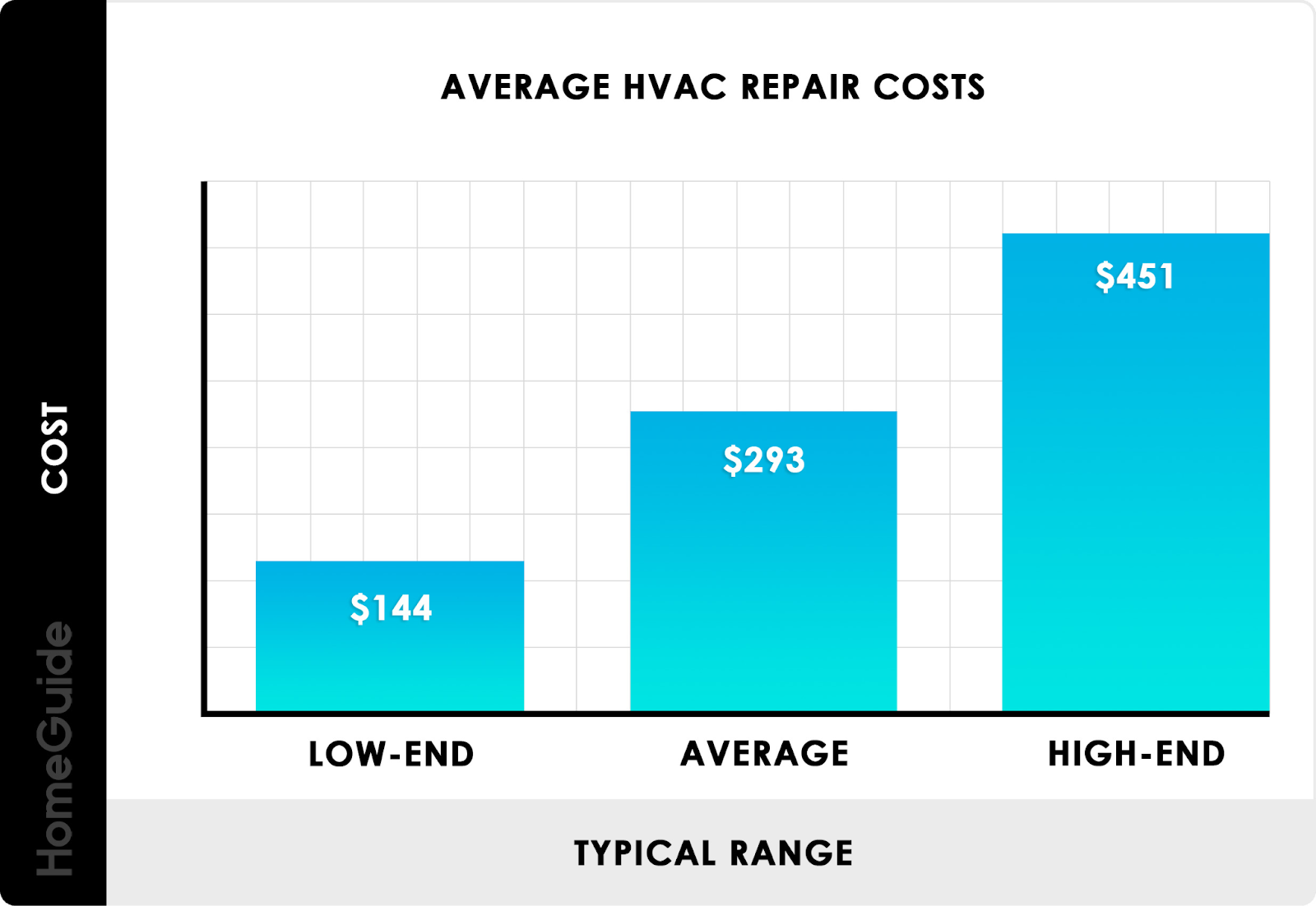
Avoiding even one major repair—especially involving compressors, blower motors, or heat strips—can save $300 to $2,500+.

By identifying these patterns early, AirSenz can prevent damage before it spreads, instantly delivering more value than its cost.

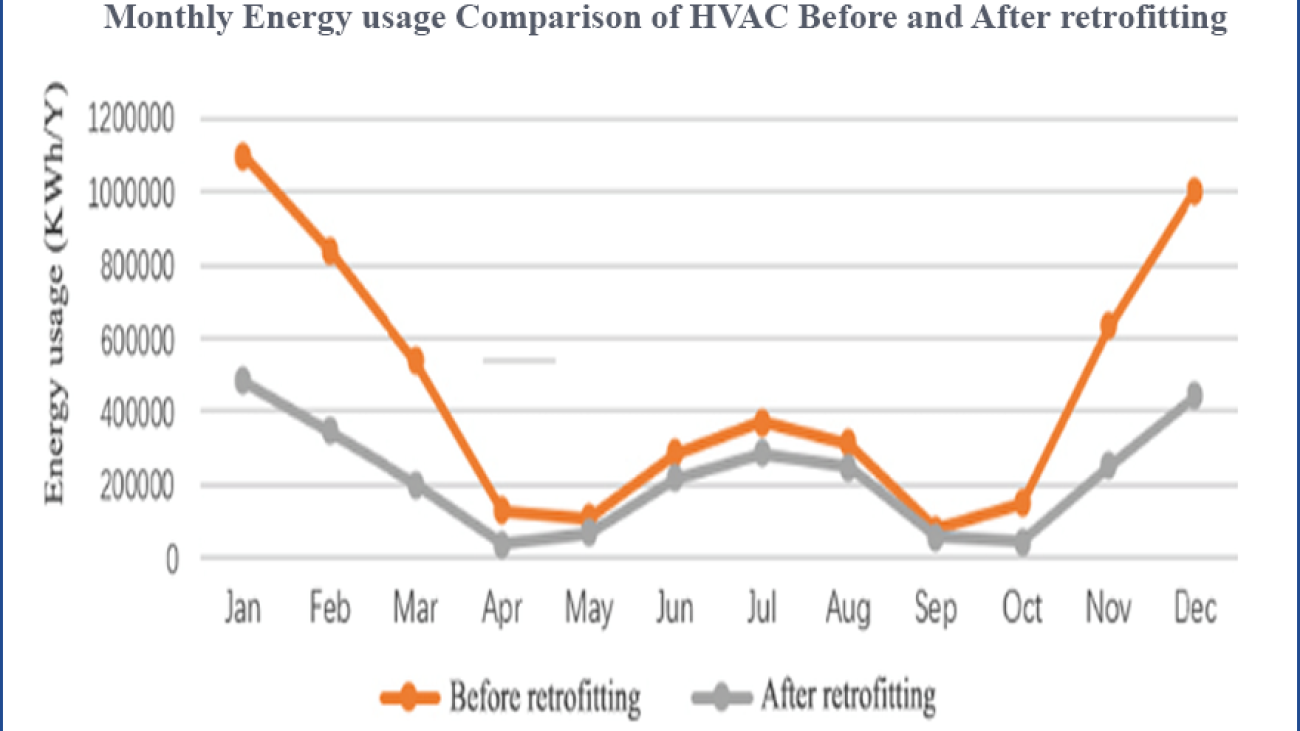
2. Efficiency Improvements Alone Often Pay It Off in 3–6 Months

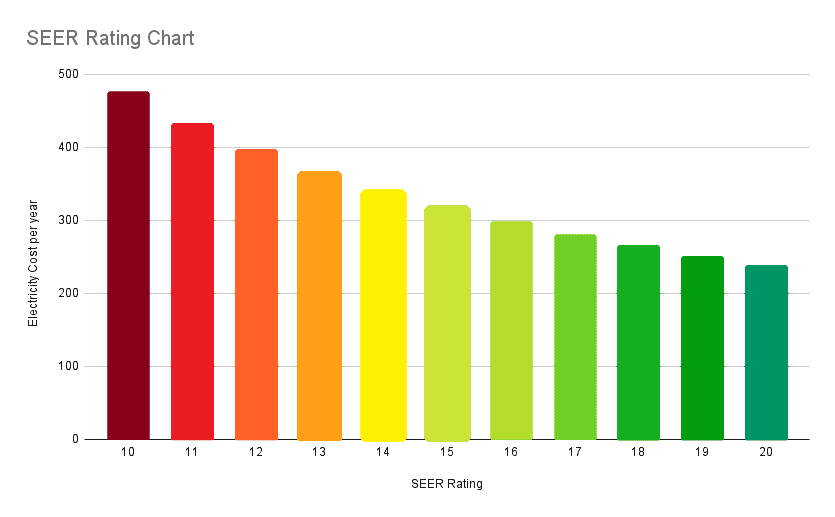
A system running just 10–20% below optimal can quietly increase energy usage every month.

Typical savings from AirSenz’s early efficiency insights:

  • 8–15% reduction in cooling costs
  • 10–20% reduction in heating costs when heat strips are overused
  • $15–$40/month in many homes, depending on conditions

So when a system runs inefficiently—but still runs—it feels normal. Until it doesn’t.

AirSenz detects:

  • abnormal runtimes
  • unnecessary heat strip activation
  • temperature delta drift
  • airflow and blower irregularities

Correcting these issues leads to immediate energy savings.
Many homeowners recover the cost of monitoring within one season through efficiency alone.

3. Extending the Life of the HVAC System = Thousands Saved

HVAC systems don’t typically fail from one sudden event.

 They fail from accumulated stress that goes unnoticed:

  • A breakdown on the hottest day of the year
  • Weekend or after-hours service calls
  • Rushed repair decisions under stress

Homeowners experience:

  • short cycling
  • overheating
  • restricted airflow
  • frozen coils
  • humidity imbalance

AirSenz identifies stress signatures early, preventing long-term damage.

Extending a $7,000–$12,000 system’s lifespan by even one additional year represents a major financial benefit.

4. Reducing Service Calls and Eliminating Callback Visits

AirSenz also supports the contractor experience:

  • Technicians see system patterns before they arrive
  • Diagnostic time decreases dramatically
  • Callbacks are reduced
  • Homeowners experience smoother, faster service

For contractors, reducing unnecessary visits saves operational time and money.

 For homeowners, it means fewer surprises and lower overall maintenance costs.

The Bottom Line

Between avoided repairs, improved energy efficiency, and extended system lifespan, an HVAC monitoring system typically pays for itself in:

→ 3–6 months for most homeowners

→ Immediately if it prevents a single breakdown

A monitoring system isn’t just a convenience—it’s a financial safeguard for the most expensive appliance in your home.

About Intellicair

Intellicair is the company behind AirSenz, a next-generation HVAC monitoring platform designed to make home comfort smarter, more reliable, and more transparent. Built by HVAC professionals with real field experience, Intellicair blends advanced sensor hardware with intelligent software to help prevent unexpected failures and lower long-term system costs for homeowners and contractors alike.

About AirSenz

AirSenz is Intellicair’s flagship product — a real-time HVAC monitoring and diagnostics platform powered by a private, HVAC-trained AI engine. AirSenz continuously measures system performance, detects emerging issues, and provides clear, actionable insights long before a breakdown occurs. Through seamless integrations with contractor tools like ServiceTitan, AirSenz delivers proactive service, fewer callbacks, and true peace of mind for homeowners.